
 Contact us
DGCA-Regulated Pilot Training
How to become an airline pilot, step by step.
Aspiring pilots can start as young as 17. A Commercial Pilot Licence lets you fly for an airline and get paid for it — here's every requirement between you and the cockpit, from ground training to type rating.
17 Yrs
Minimum Age to Start
CPL
Commercial Pilot Licence
200 Hrs
Minimum Flying Time
DGCA
Governing Authority
Briefing
Two phases stand between you and a licence: Ground Training and Flight Training.
To become a pilot, certain requirements must be fulfilled — but the path is well defined. Holding a Commercial Pilot's Licence (CPL) lets you operate an aircraft for an airline and get paid for it, and the CPL programme itself breaks down into two phases: Ground Training, where you clear the theory papers, and Flight Training, where you log the hours.
Below is the complete sequence we take students through: from your educational eligibility, through medicals and documentation, to ground school, flight training, and the type rating that gets you into an airline cockpit.
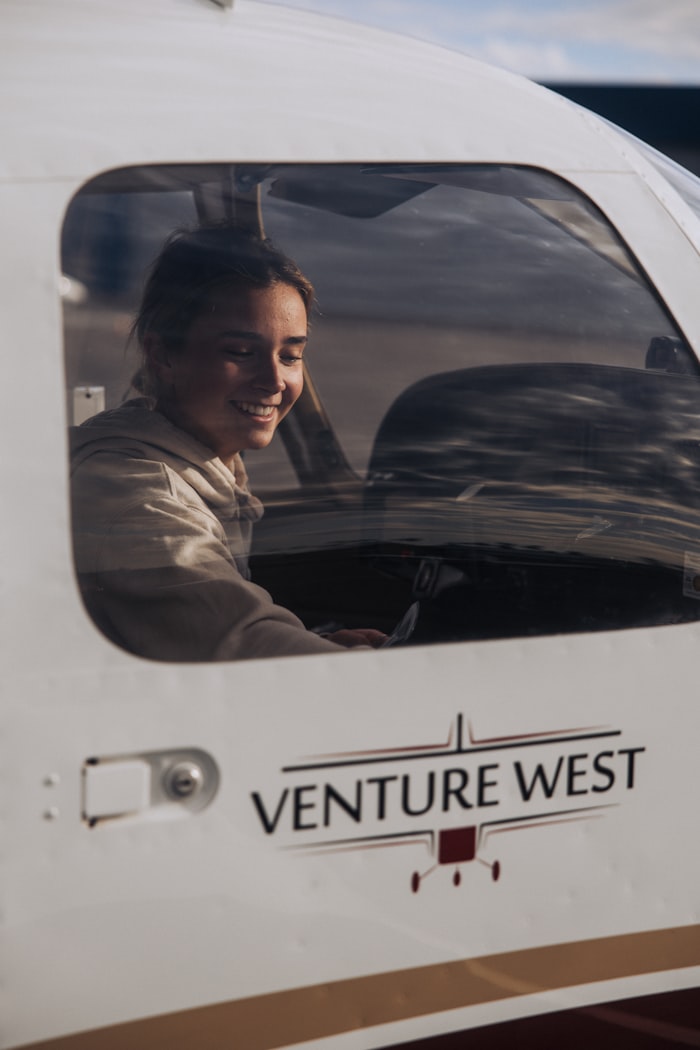
This is the seat you're training for.
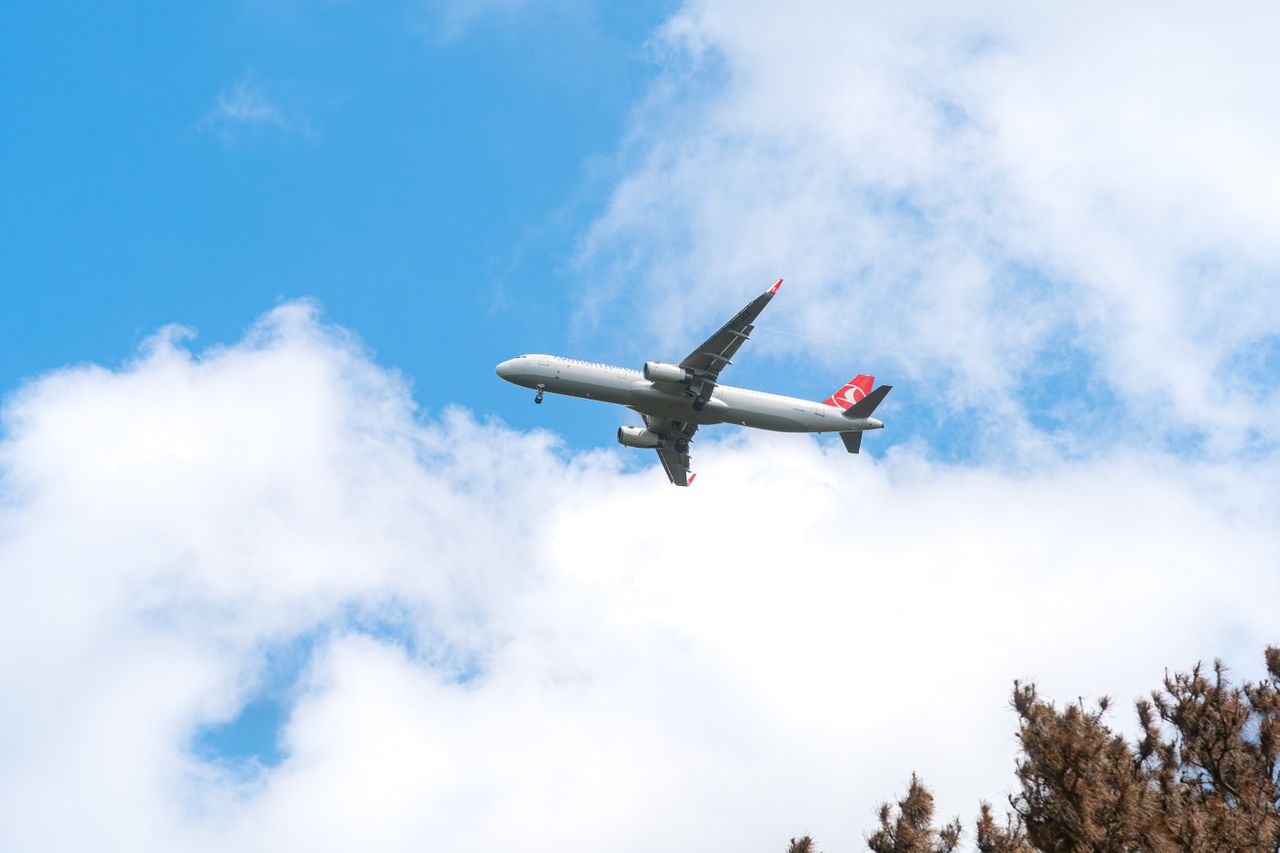
On the Apron
Every hour logged happens in aircraft like this one — at a Civil Aviation Authority-approved flight training organisation, with an instructor beside you until the day you fly solo.
Route: Aspirant → Commercial Pilot
The flight path, leg by leg.
Seven legs stand between you and your Commercial Pilot Licence. Each has its own clearance to obtain before you're cleared for the next.
- STEP · 01EDUCATION
Educational Qualification
Complete 10+2 with Mathematics and Physics from a recognised board. If you didn’t take these subjects through an accredited school, you may need to clear them separately before proceeding.
- STEP · 02MEDICAL
Medical Requirements
DGCA fitness checks come in two parts. Class-II exams (with a DGCA-authorised physician) get you a CA 35 acknowledgment; once records are filed, your CPL certificate follows. Class-I comes after — valid one year, and renewable before it lapses.
- STEP · 03COMPUTER NUMBER
Computer Number
A unique ID issued by the Central Examination Organisation (CEO) under DGCA regulations. You’ll need it at every stage that follows, from CPL exam registration to the final licence.
- STEP · 04VERIFICATION
Police Verification Certificate
A character certificate confirming good conduct and no criminal record, issued by your local passport office or police authority — required documentation before training can proceed.
- STEP · 05GROUND TRAINING
Ground Training
Clear the theory papers for your licence category: Aviation Meteorology, Air Navigation, Air Regulations, and Technical General & Specific. This is the DGCA written-exam stage.
- STEP · 06FLIGHT TRAINING
Flight Training
Log your required flying hours at a Civil Aviation Authority-approved flight training organisation — including your first solo, the milestone every pilot remembers.
- STEP · 07TYPE RATING
Type Rating
Once you hold a CPL, choose your route: an Instructor Rating if you want to teach, or a Type Rating on an aircraft like the A320 or B737 if you’re headed for an airline cockpit.

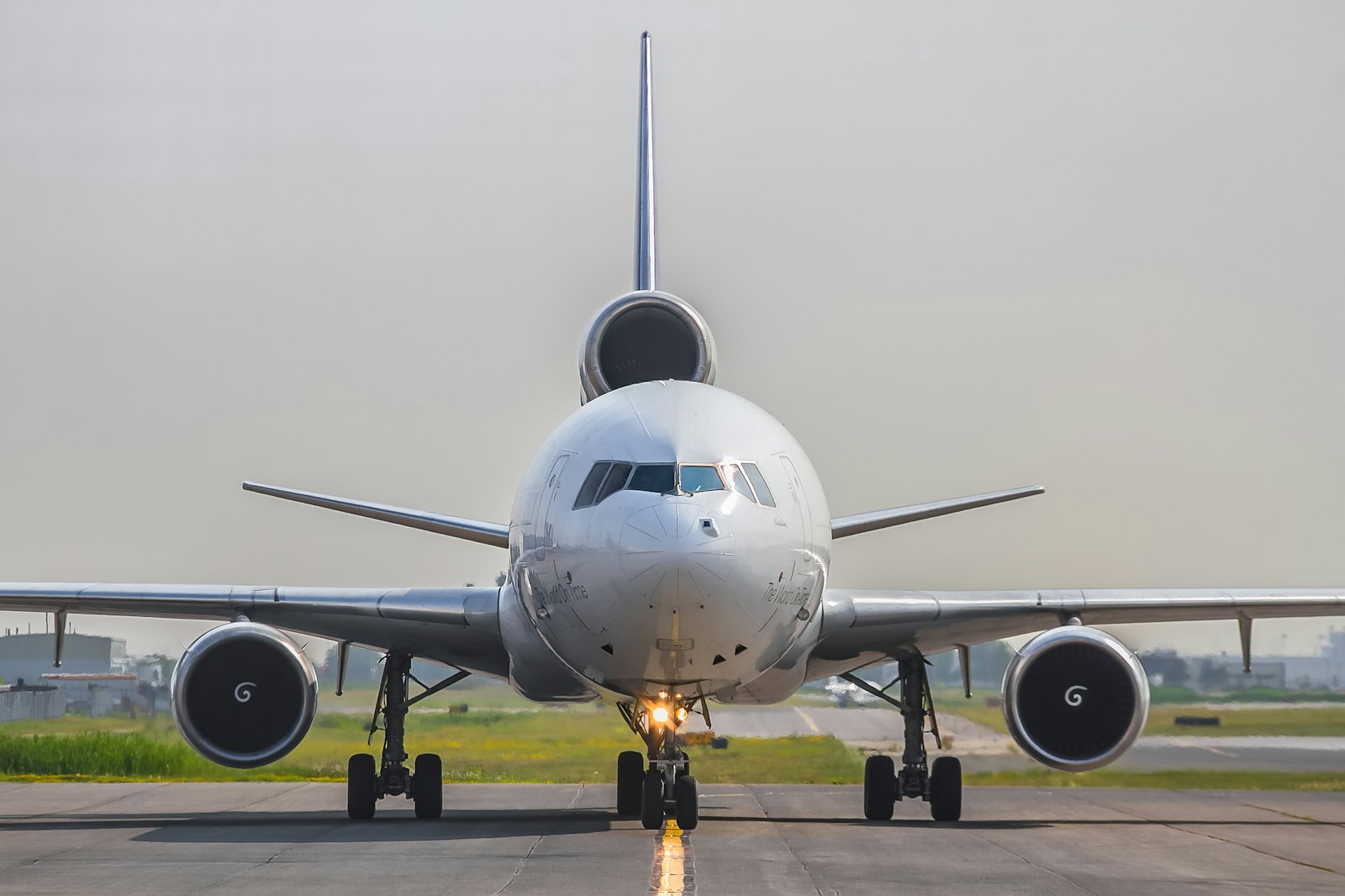
Cleared for Takeoff
Ready to start your flight training?
Talk to our aviation counsellors about eligibility, FTO selection, and financing your training — no obligation, just a clear next step.
